


Modern industrial automation demands high speed, flawless synchronisation and exceptional flexibility. In complex applications such as robotics, CNC, packaging and assembly lines, it is critical that several axes work together with sub-millisecond precision. This article examines in detail how an architecture combining the hardware power of IPC4PRO industrial computers, the real-time capability of the EtherCAT protocol and the integrated control of the CODESYS platform is transforming modern motion control, and what strategic advantages it offers over traditional automation architectures.
1. What Is EtherCAT? The Gold Standard for Speed and Synchronisation
EtherCAT (Ethernet for Control Automation Technology) is a high-performance, real-time Ethernet-based communication protocol specifically developed for industrial automation. The protocol was first implemented by Beckhoff Automation in 2003 and subsequently supported by the EtherCAT Technology Group (ETG), establishing its place within industrial standards.
Unlike the "send data, wait for acknowledgment" (store-and-forward) structure of traditional Ethernet, EtherCAT operates on a unique and efficient principle: "Processing on the Fly".
In this principle, a single Ethernet frame sent by the Master (controller) passes through all "slave" devices (servo drives, I/O modules, etc.) like a train car. Each slave device reads its own data as it passes through this frame and writes its own data (for example, instantaneous position or torque information) into the relevant section of the frame. This process occurs at the hardware layer of the devices within nanoseconds. The frame returns from the device at the end of the line and reaches the master with the data of the entire network collected in a single cycle.
1.1. Key Technical Features
The technical superiority of EtherCAT is based on the following features:
- Physical Layer: Utilizes the standard Ethernet physical layer (IEEE 802.3). This ensures full compatibility with existing Ethernet infrastructures, standard Cat5/6 cables, and connectors.
- Performance: Thanks to the "Processing on the Fly" principle, data does not stop and process at each device, allowing for extraordinarily short cycle times. For example, update intervals of ~100 μs (microseconds) are possible for 100 servo axes.
- Precise Synchronization (Distributed Clocks - DC): One of EtherCAT's most critical features is the "Distributed Clocks" mechanism. This feature allows all devices in the network (all servo motor drives) to operate synchronously with a deviation of less than 1 microsecond (even 100 nanoseconds). This synchronization is essential for the smooth and precise movement of multi-axis robotic arms or CNCs requiring interpolation.
- Flexible Topology: Supports virtually any type of network topology such as serial (daisy-chain), tree, ring, or star without the need for expensive switches or hubs. This provides great flexibility in machine design and cabling.
1.2. Why is it Preferred?
The main reasons for EtherCAT becoming the standard in modern automation are:
- High Performance: With very low latency and jitter values, it provides an unmatched advantage, especially in high-speed motion control, servo systems, and coordinated axis applications.
- Low Cost-High Efficiency: Being Ethernet-based and having a flexible topology significantly reduces additional cabling, special hardware, and infrastructure costs.
- Wide Device and Profile Support: As an open standard, it allows many manufacturers to support this protocol. Additionally, it is fully integrated with existing industrial standards such as driver profiles (e.g., CiA 402).
- Flexibility and Modularity: It is very flexible in adding or removing devices and changing topology. It provides redundancy against line breaks with a ring topology.
- Industry 4.0 / IoT Compatibility: Being Ethernet-based, it acts as a critical bridge where the IT and OT worlds meet.
2. The Benefits of EtherCAT Support on an IPC4PRO Industrial Computer
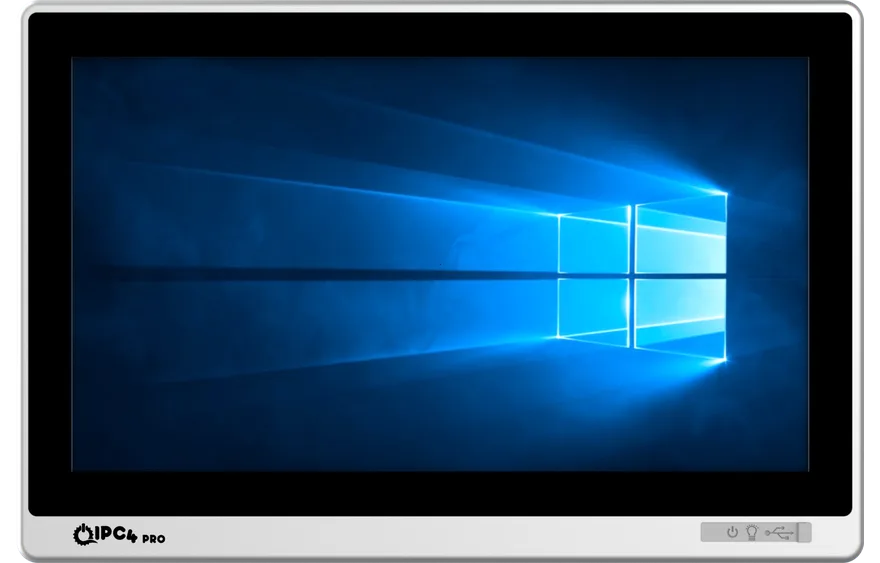
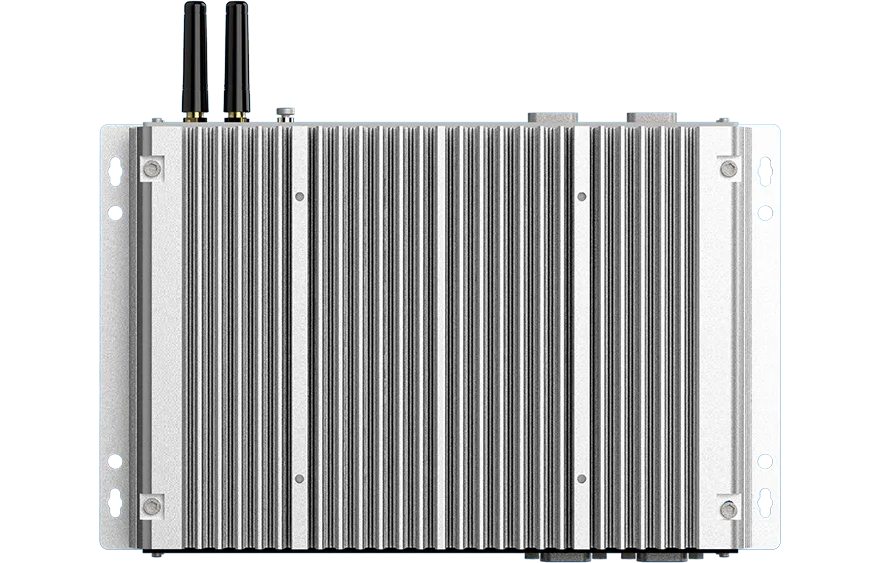
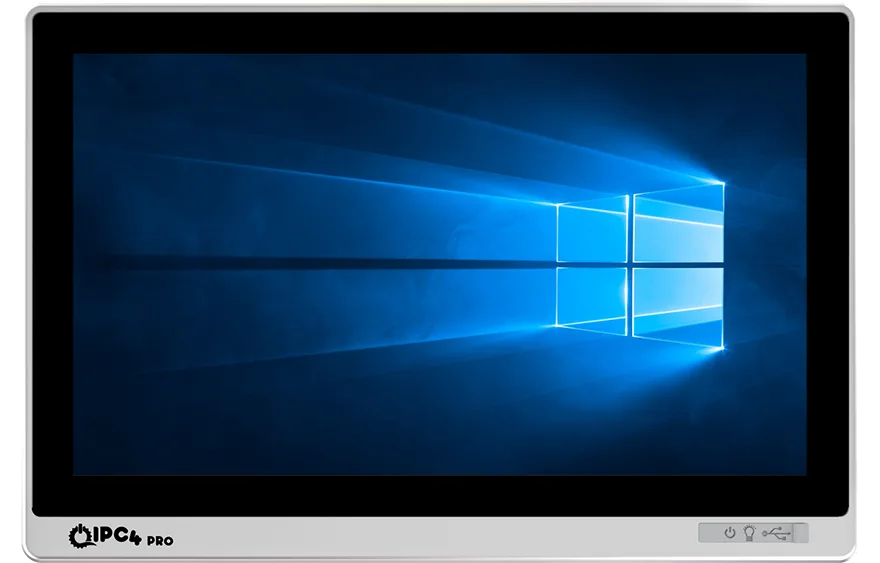
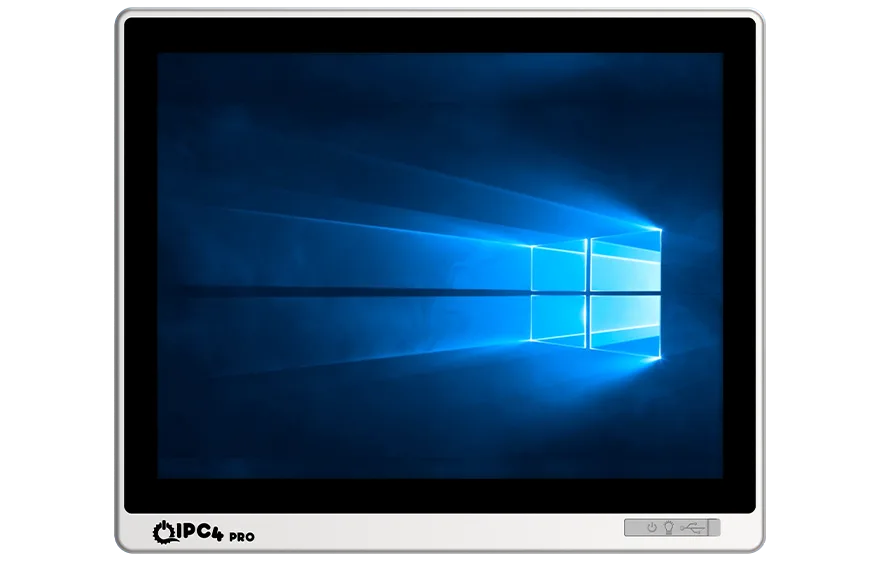
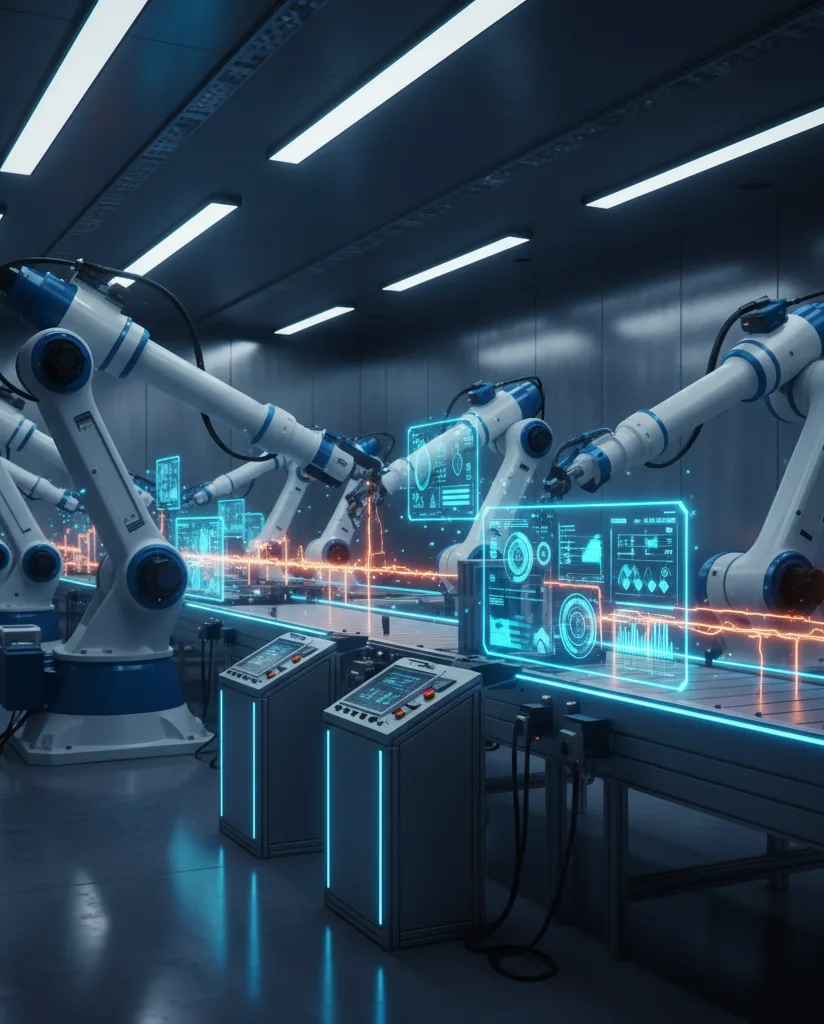
IPC4PRO is a high-performance industrial computer platform with EtherCAT support. This hardware support creates an "automation control center" that directly reflects the theoretical advantages of EtherCAT in the production field.
2.1. High-Performance Control Loops
The most critical impact of EtherCAT support is the ability to complete control loops in a very short time. The architecture of IPC4PRO allows for control loop update intervals that can go down to "250 µs" (microseconds). This guarantees that motion commands are deterministic (predictable) and jitter-free in machines with high dynamic requirements, such as servo systems, linear motors, and multi-axis robots.
2.2. Stand-Alone Solution Platform
In traditional architectures, a separate PLC was required for machine logic and a separate, expensive "Motion Controller" for motion control. The EtherCAT support of IPC4PRO combines these two functions into a single platform. Instead of using a separate PLC + motion device in the field, all I/Os, sensors, and drives can be integrated over EtherCAT on a single industrial computer-based platform. This significantly reduces both hardware costs and physical complexity on the panel.
2.3. Flexibility, Modularity, and Future-Proof Structure
The combination of IPC4PRO and EtherCAT offers brand independence. EtherCAT-compatible servo drives, I/O modules, or sensors from any brand available on the market can be seamlessly integrated into the system. This flexibility, combined with IPC4PRO's CODESYS compatibility, allows the system architecture to quickly adapt to future scenario changes (e.g., adding a new axis).
2.4. Industrial Environment Compatibility
The power of a controller is only meaningful to the extent that it can withstand the challenging conditions in the field. IPC4PRO's IP65 protected front panel, features such as fanless or fan-cooled design options, ensure that the high-performance power of EtherCAT can be safely used in dusty, humid, or vibrating production environments.
2.5. Single Point Global Control and Data Collection
This is the greatest strategic advantage of IPC4PRO being a PC-based platform. On the same device, while the real-time EtherCAT control loop is running, HMI software, SCADA, data analytics or edge computing applications can run alongside it. The high volume of live data coming off the EtherCAT network — motor torques, temperatures, fault codes — can be processed and stored on that same platform and passed up to an MES/ERP system or the cloud over protocols such as OPC UA or MQTT. It is an ideal structure for the vertical integration Industry 4.0 requires.
3. Soft PLC and Motion Control with CODESYS: One Platform, Two Advantages
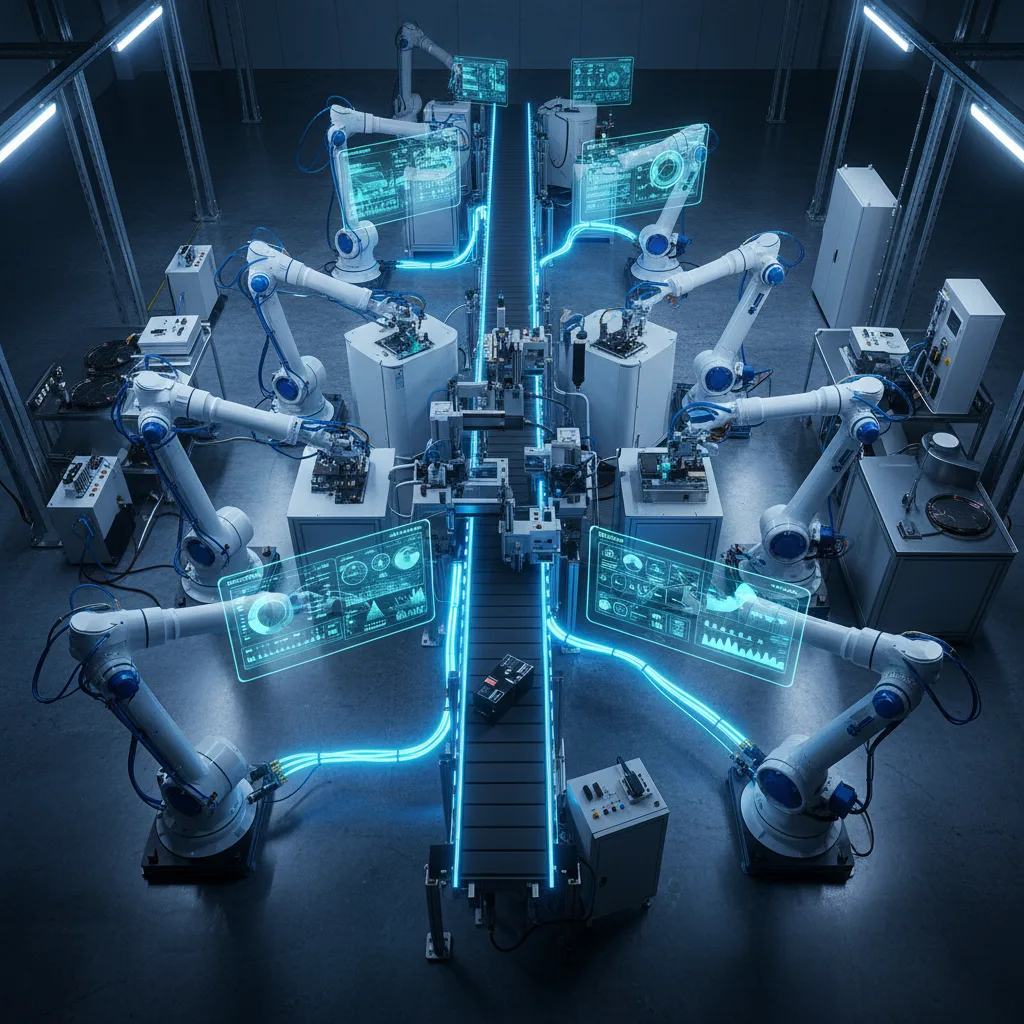
The software that transforms the hardware power of IPC4PRO and the speed of EtherCAT into a meaningful application is CODESYS. CODESYS is a powerful automation software framework that supports the IEC 61131-3 standard and has EtherCAT integration.
3.1. Both PLC Logic and Motion Control with a Single Tool
The integrated SoftMotion package of CODESYS revolutionizes automation architecture. Logic control (PLC functions; sensor reading, valve opening, etc.) and motion control (multi-axis servo, synchronization, CNC, robotics) can be managed on a single software platform, within a single project file.
This consolidation simplifies the system architecture and reduces maintenance and engineering costs. Engineers can easily create complex motion profiles using tested and rich motion libraries compliant with PLCopen standards:
- MC_MoveAbsolute (Absolute Positioning)
- MC_MoveRelative (Relative Positioning)
- MC_GearIn (Electronic Gear - Linking one axis to another)
- MC_CamIn (Electronic Cam - Complex motion profiles)
Thanks to these standard blocks, applications such as "flying shear" or robotic kinematics can be programmed much faster and more accurately.
3.2. Built-in EtherCAT Master Support
CODESYS has a built-in and powerful EtherCAT Master support. This means that a CODESYS-based controller (in this scenario, IPC4PRO) can directly connect to the EtherCAT network and configure the network. This tight integration makes the real-time data exchange required in motion control systems seamless.
3.3. Modular and Scalable Systems
With CODESYS SoftMotion, configurations such as the number of axes, virtual axes, and axis groups (including G-code interpreters for CNC) can be done modularly. For example, with the "CODESYS SoftMotion Axes" license, control of real and virtual axes is possible. This allows for a wide range of solutions, from a simple single-axis machine to complex robotic systems with dozens of synchronized axes, all on the same software platform.
3.4. Rapid Engineering and Compatibility
The CODESYS environment provides all engineering tools such as configuration of the EtherCAT network, automatic recognition of connected devices (slaves) (via ESI files), fault diagnosis, and data monitoring in a single interface. This significantly shortens the commissioning time of the system and facilitates adaptation to changing needs.
3.5. Future-Proof Technology Investment
A platform based on SoftPLC and SoftMotion gives you a hardware-independent software architecture. If you later change servo drive brand or add axes, you update only the software configuration, not the control hardware. That lowers maintenance and renewal costs and extends the system's technological life.
4. The Integrated Architecture: Application Scenarios and Strategic Assessment
Let's examine the practical value of this triple combination (IPC4PRO + EtherCAT + CODESYS) through an application scenario.
4.1. Application Scenario: High-Speed Packaging Line
Let's consider a multi-axis, high-speed packaging machine (for example, a "flow-pack" machine):
- Platform: IPC4PRO serves as the brain of the entire machine.
- Communication: The EtherCAT network connects all servo drives (feeding, pulling, cutting jaws), I/O modules (sensors, pistons), and encoders in a "daisy-chain" (serial) manner from IPC4PRO.
- Control: CODESYS running on IPC4PRO executes all logical operations.
- Motion: CODESYS SoftMotion libraries are used:
- Feeding and pulling axes are synchronized with the main cutting jaw axis using MC_GearIn or MC_CamIn based on product position (Electronic Cam/Gear).
- Fast control loop (e.g., 250 µs) allows the cutting jaw to position with micron precision between products.
- Changes in the speed of the line instantly trigger proportional acceleration/deceleration of all axes.
- Additional Functions: The same IPC4PRO platform runs the HMI panel, retrieves production recipes from an SQL database, and reports production efficiency (OEE) data to the factory's MES system via OPC-UA.
Compared with a traditional PLC plus motion controller installation, this architecture means less hardware, less cabling, faster commissioning and far greater data transparency.
4.2. Key Technical Advantages
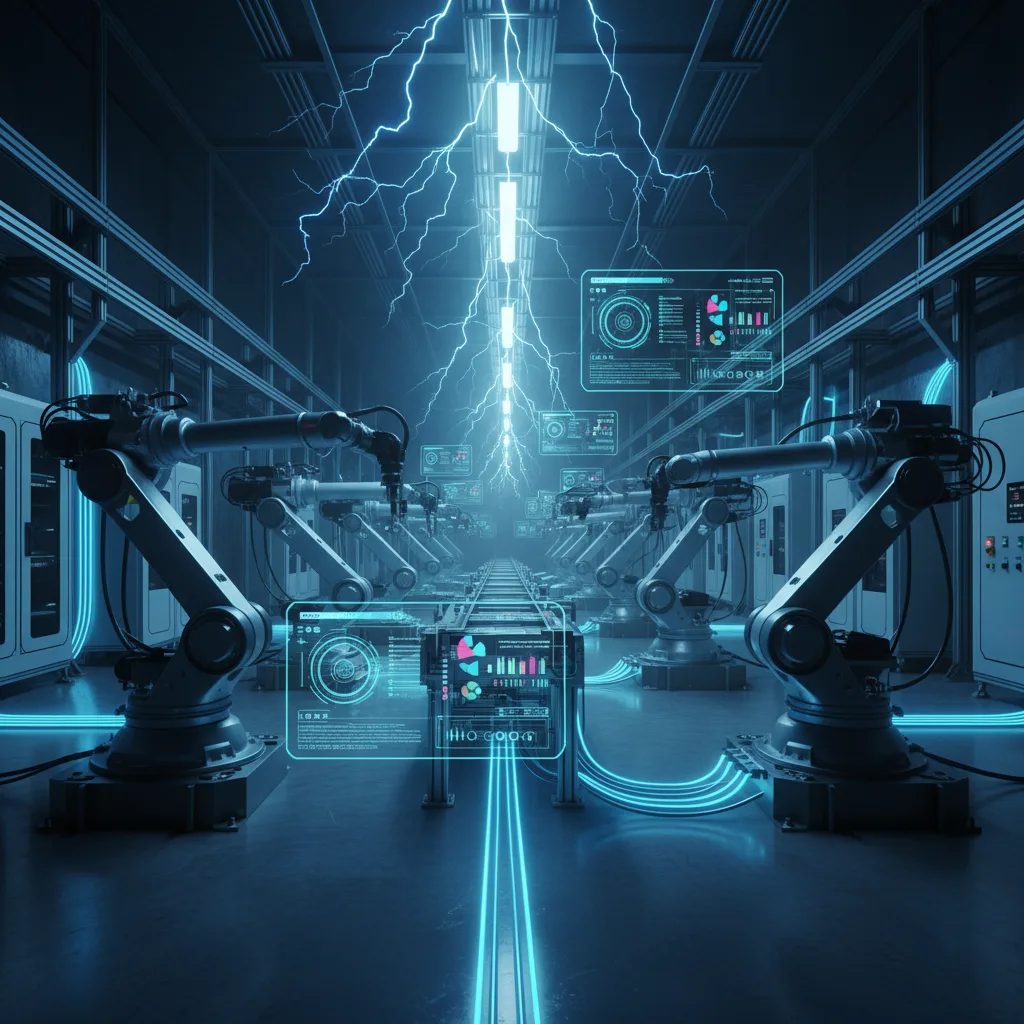
- Real-Time Control: Synchronization and data transfer at the level of microseconds, not milliseconds.
- Hardware Simplification: A single platform instead of PLC + independent motion control device; gains in both cost and panel space.
- Flexible Structure: When system needs change (increase in the number of axes, device changes), ease of software-based updates instead of hardware.
- Industry 4.0 Compatibility: Excellent Ethernet infrastructure for vertical integration, IoT/edge compatibility, and a ready ground for data analytics.
- Reliability & Robustness: The industrial design of IPC4PRO offers uninterrupted operation advantages even under harsh field conditions.
4.3. Considerations to Keep in Mind
When designing this powerful architecture, the following considerations should be taken into account:
- Network Design: Attention should be paid to physical details such as cabling quality (standard-compliant Cat5e/6), topology, and line termination in the design of the EtherCAT network.
- Driver Compatibility: The drivers to be used in CODESYS-based motion controllers must be verified to be fully compliant with standard driver profiles (especially CiA 402).
- Real-Time Operating: For high-precision motion control on the IPC platform, a real-time operating system (RTOS) plugin (e.g., CODESYS Control RTE) may be required instead of standard Windows. This ensures that the control loop is not affected by other operating system tasks (determinism).
- Configuration: It is critical that the EtherCAT slave configurations (ESI files) of the servo drives in the field are set up correctly and declared correctly in the CODESYS project.
Conclusion
For engineering teams looking to establish high-performance, flexible, and modular automation systems, the CODESYS-based soft PLC + motion control architecture with EtherCAT-supported industrial computers like IPC4PRO is one of today's most strategic solutions.
The fast and synchronized communication capability brought by EtherCAT, combined with the standardized and powerful software libraries of CODESYS, ensures that your systems provide the precision, agility, and reliability needed on the production line. This combination represents a strong solution for today's complex machines and a solid investment for the intelligent and data-driven production systems required by Industry 4.0.