







Industrial PC Presentation
Take a look at our in-depth presentation on industrial computers.
As technology advances and Industry 4.0 spreads, production and automation are becoming more digital than ever. One of the cornerstones of that shift is the industrial computer (IPC), designed specifically for the demanding industrial conditions that standard consumer computers cannot handle.
Although their core specifications (processor, memory, storage) resemble those of a standard PC, what really sets an IPC apart is what it was designed for and how much it can take. It earns the label 'industrial' through its ability to withstand the dust, humidity, vibration, extreme temperatures and electromagnetic interference of a factory floor.
How They Differ from Standard PCs
Durability and reliability are what most sharply separate an IPC from a standard computer.
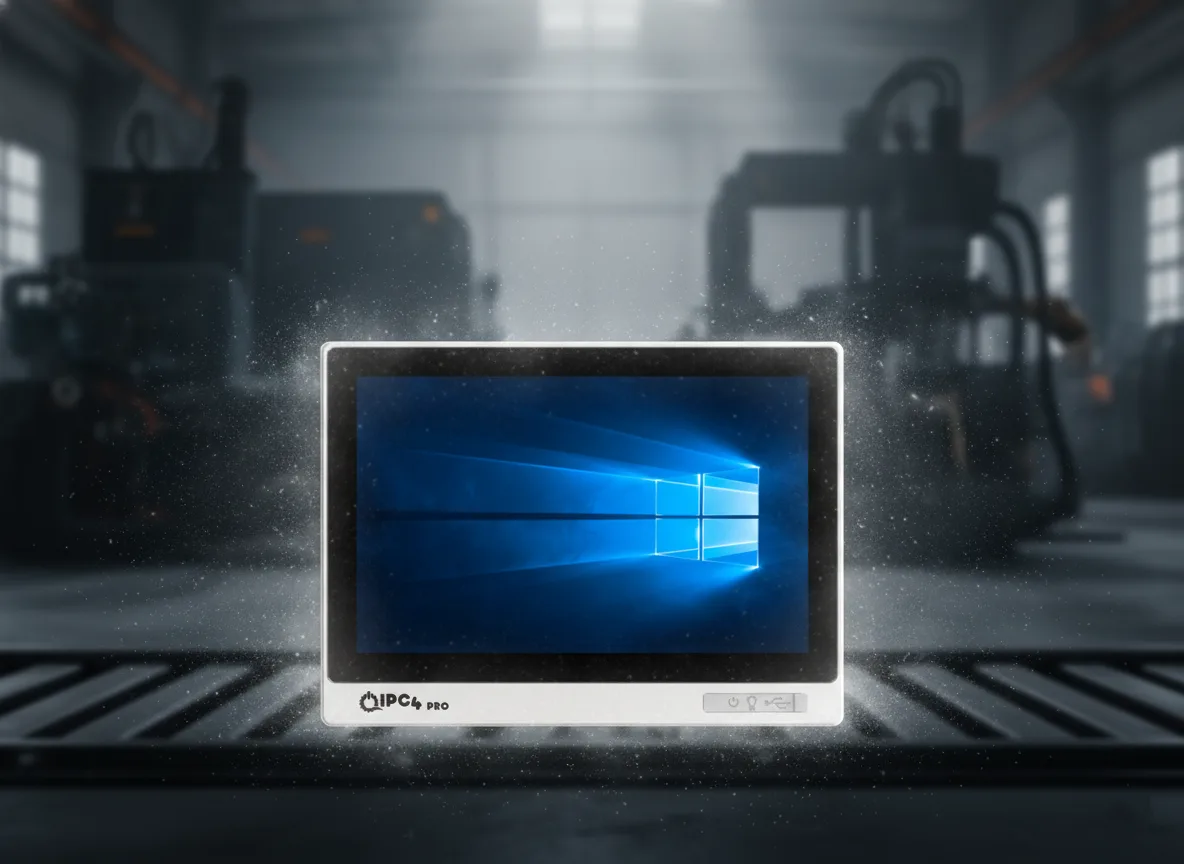
Fanless Cooling
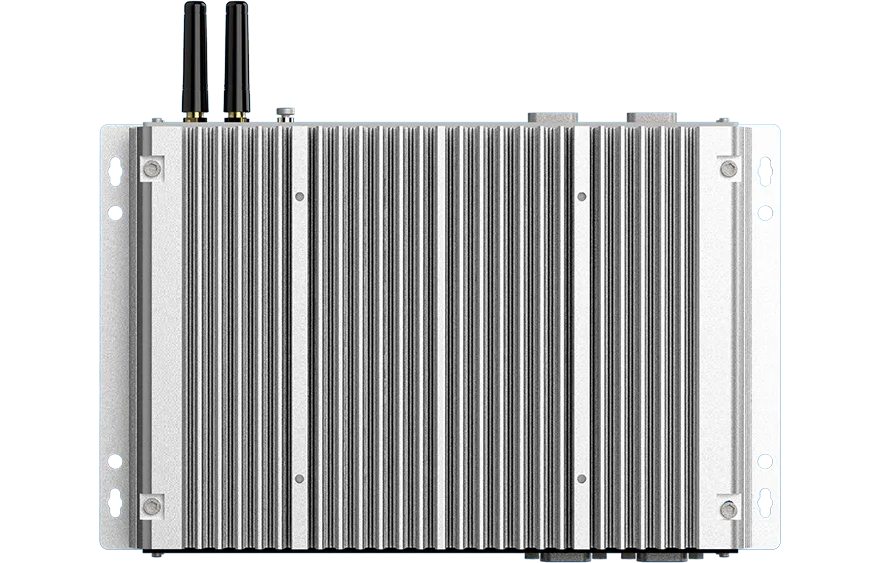
Large-surface passive cooling blocks remove the risks that fans create in dusty environments. This design keeps dust out entirely, extends hardware life and reduces maintenance, allowing uninterrupted operation. Being fanless is the foundation of industrial durability.
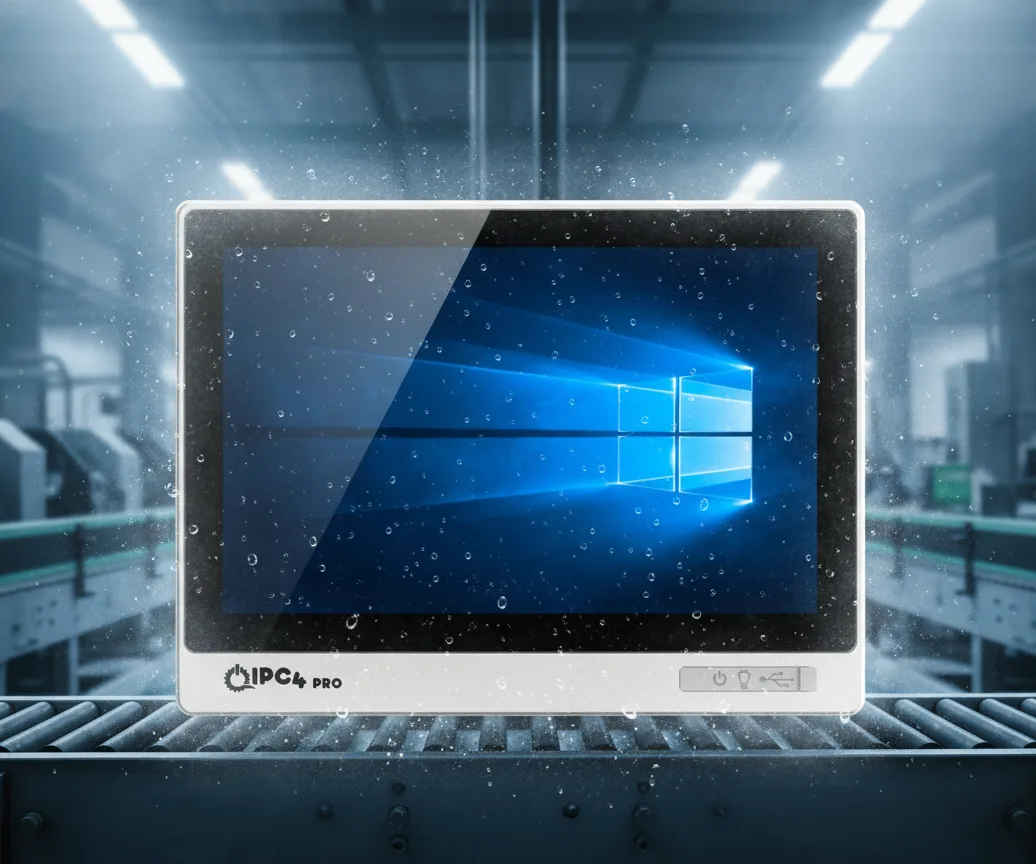
IP Protection Classes (Water & Dust)
Ingress Protection (IP) ratings indicate how well a device resists solid objects (dust) and liquids. IP65, for example, means complete dust-tightness plus protection against low-pressure water jets. This is vital in sectors where hygiene is critical, such as food and chemicals.
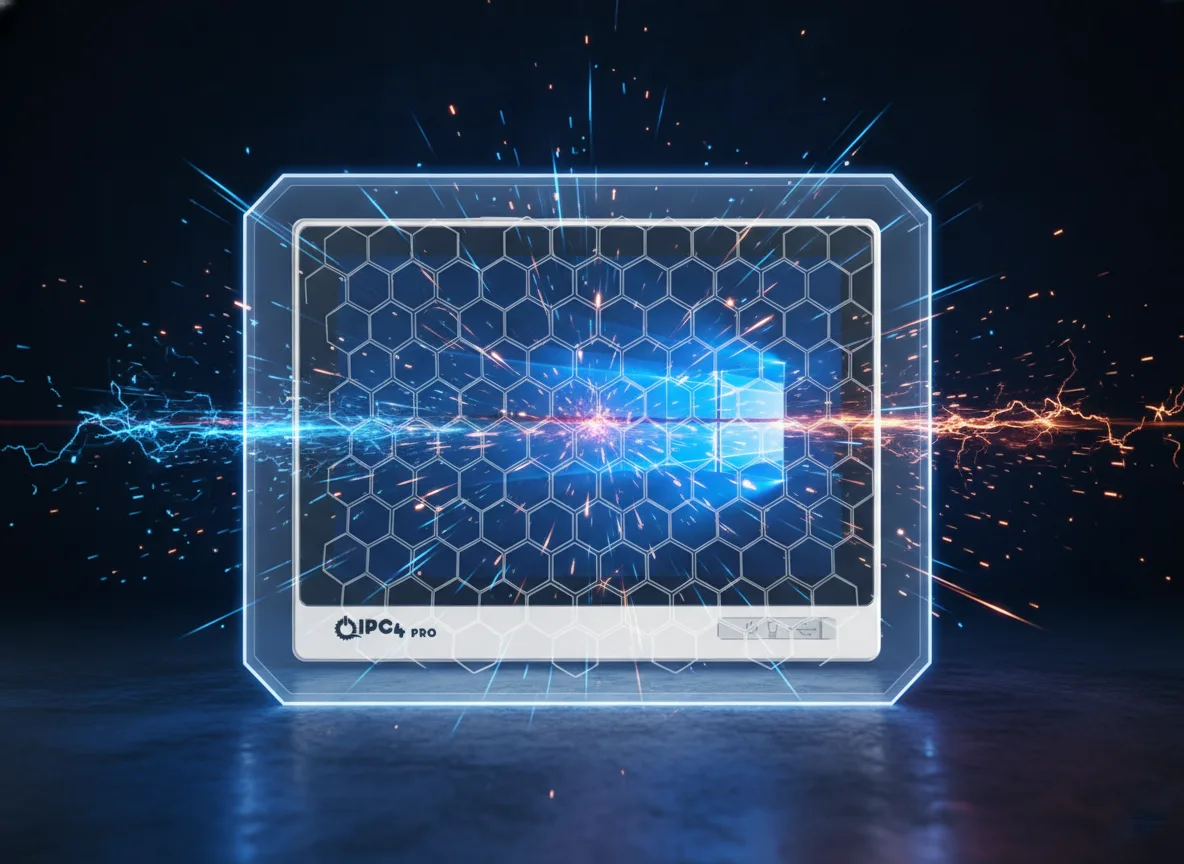
Electromagnetic Compatibility (EMC)
The strong electromagnetic fields emitted by industrial machinery pose a risk to standard computers. Thanks to metal enclosures designed on the Faraday cage principle, IPCs are unaffected by this interference, safeguarding data integrity and stable operation.
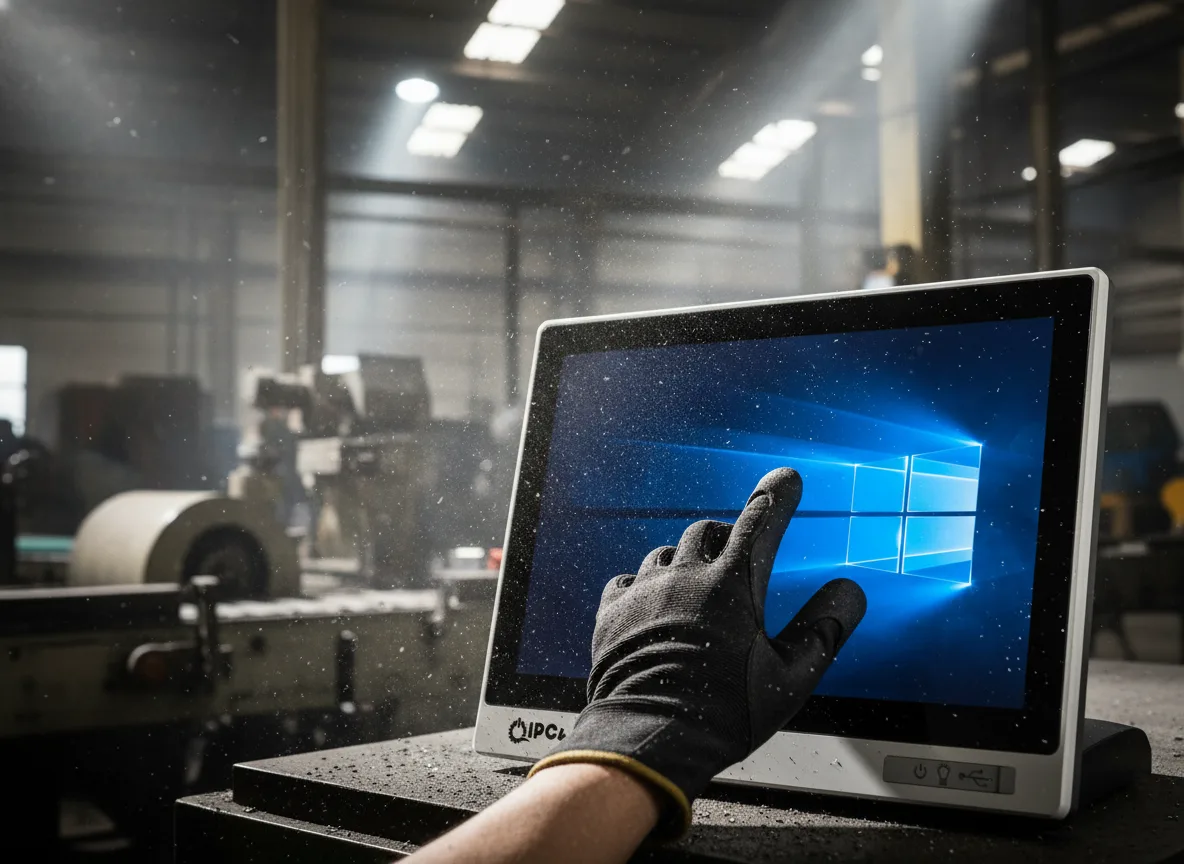
Reinforced Touchscreen
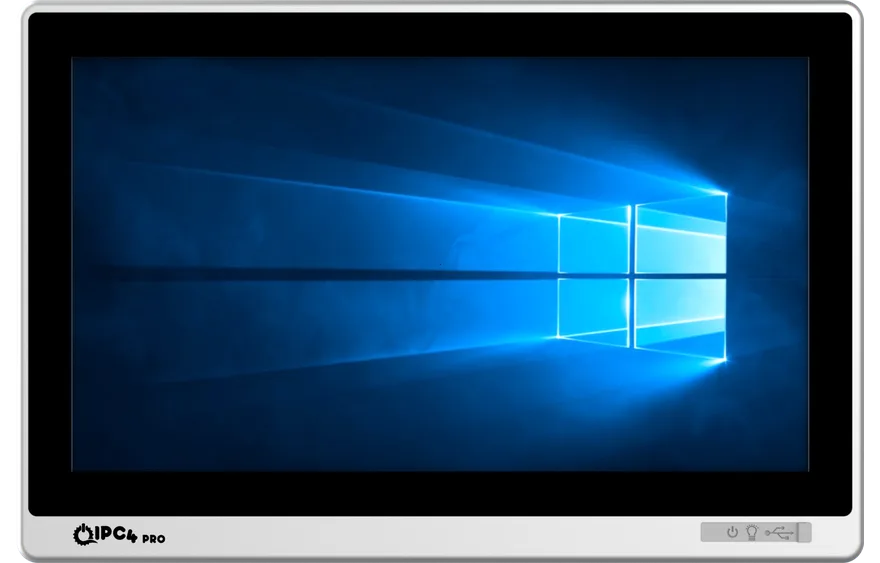
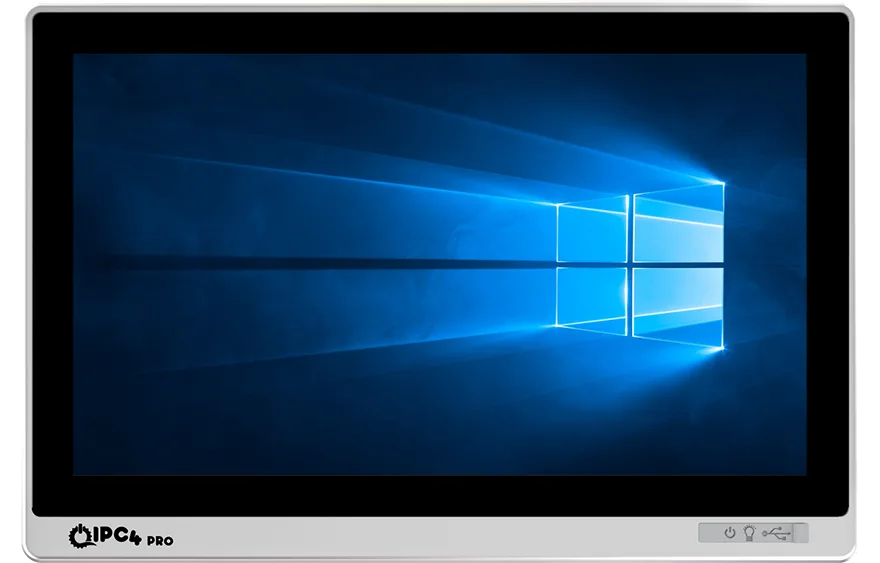
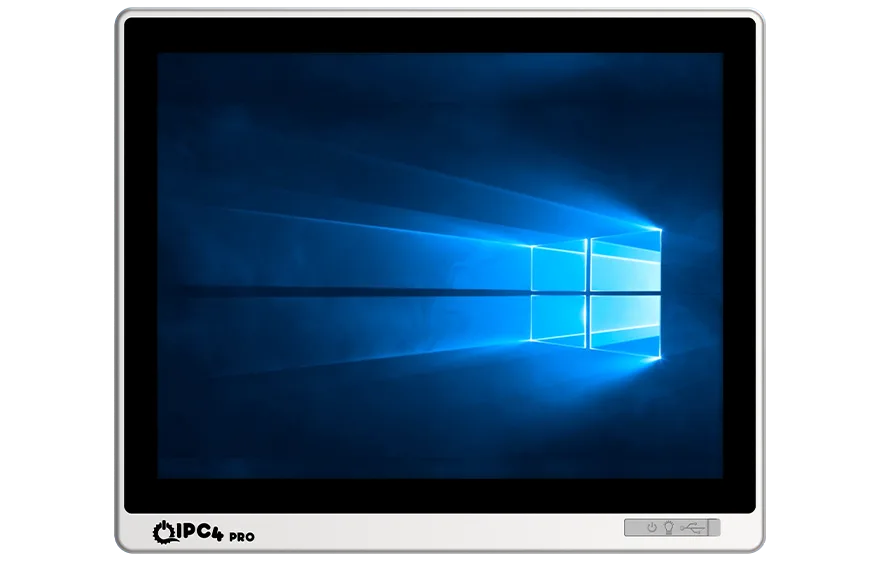
The screens used in industrial Panel PCs are far more resistant to impact, scratching and pressure than standard displays. They undergo dedicated testing so they deliver long, dependable service even in the toughest field conditions.
Thorough Testing for Harsh Conditions
Before a computer can be called 'industrial', it has to pass demanding tests defined by international standards.
Rastgele Vibrasyon
Simulates factory vibration (e.g. 1G @ 5–500 Hz, one hour per axis).
Shock & Impact
Measures resistance to sudden impacts (e.g. 20G operating, 40G non-operating, 11 ms).
Environmental Endurance
Tests prolonged operation across a wide temperature range (-5 °C to +55 °C) and humidity range (0–100%).
IP Dust and Liquid Resistance
Verifies the seal against pressurised water and fine dust, in line with the stated IP class.
Drop – Packaging
The product is dropped in its packaging to test against damage in transit (e.g. from 92 cm).
Certified Reliability
These tests prove that IPCs are engineered products built to keep operations running.