







Industrial operations have moved beyond the controlled environment of the factory into demanding outdoor settings: smart cities, construction sites, marine platforms and energy facilities. In these uncontrolled environments, using a standard industrial Panel PC or monitor brings operational risk. Sunlight, extreme temperature swings, humidity, water and dust quickly cause standard devices to fail or lose performance.
For uninterrupted performance in real field conditions, specially designed outdoor solutions are a necessity. This article details the critical technical differences between standard industrial devices and superior engineered products like the IPC4PRO WOD (Outdoor Panel PC) and MOD (Outdoor Monitor) series.
Core Challenge: Why Are Outdoor Conditions Different?
While standard industrial devices are resistant to dust, vibration, and electrical noise, the environments they operate in (factory, control room) are generally controlled in terms of climate and lighting.
Outdoor environments present the following core challenges:
- Direct Sunlight: Nullifies screen readability.
- Extreme Temperatures: Freezing temperatures at night, scorching heat under the sun during the day.
- Water and Humidity: Rain, snow, pressurized water, and internal condensation.
- Dust and Dirt: Accumulation of construction dust, pollen, and industrial pollutants.
These differences give rise to the core engineering requirements set out below.
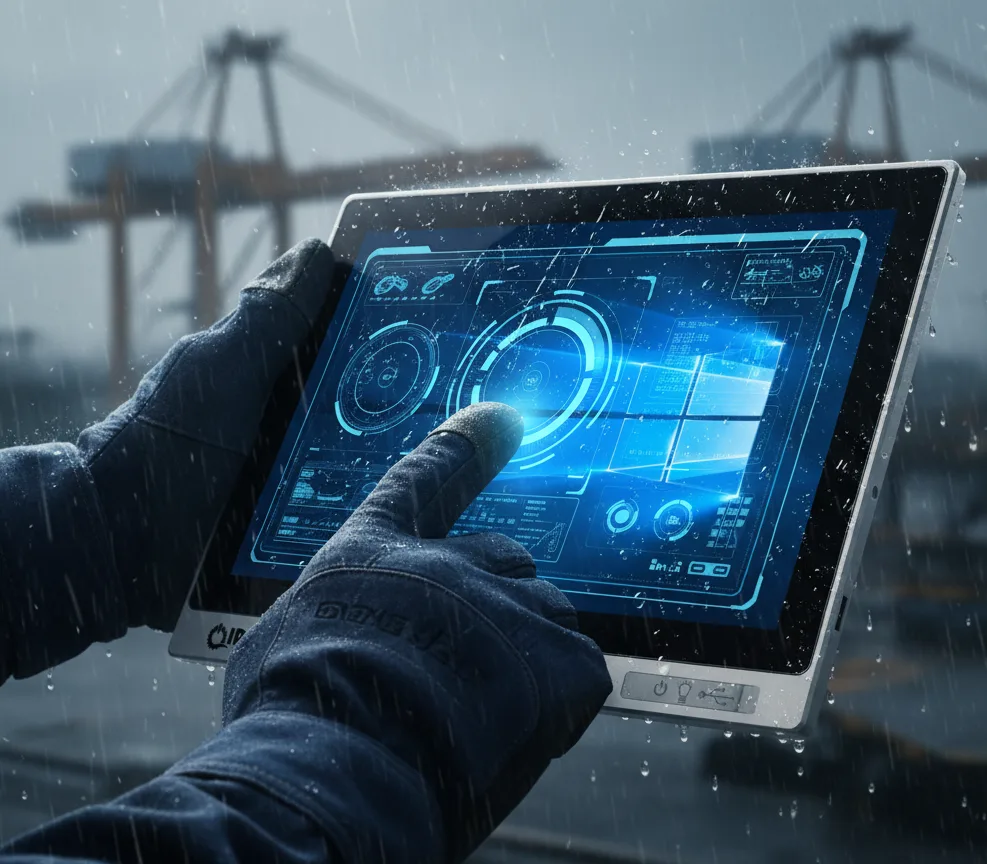
1. Readability: Brightness (Nits) and Managing Reflection
The most common reason for failure in outdoor environments is an unreadable screen.
Brightness (Nits)
A standard device offers 250-450 nits of brightness. This is sufficient indoors but gets "washed out" under sunlight, causing the image to disappear. Outdoor devices are classified as "Sunlight Readable" and have ultra-high brightness levels ranging from a minimum of 1,000 nits to 2,500+ nits.
AG (Anti-Glare) Coating
In addition to high brightness, preventing the surface from reflecting like a "mirror" is critically important. Anti-Glare coating diffuses incoming light and prevents reflections.
2. Screen Technology: Air Bonding vs. Optical Bonding
This is the most critical technical difference that determines outdoor performance.
Air Bonding (Standard)
In traditional devices, there is an air gap between the protective glass and the LCD panel. When sunlight enters this gap, it reflects multiple times between the inner surface of the glass and the outer surface of the LCD (internal reflection). This situation kills contrast and "fades" the image. Additionally, sudden temperature changes can cause fogging (condensation) in this air gap.
Optical Bonding (Outdoor Necessity)
This superior method, used as standard in the IPC4PRO WOD and MOD series, completely fills the air gap with a special transparent optical resin. This eliminates air, allowing light to behave as if it is passing through a single layer.
- Result: Internal reflections are eliminated, contrast ratio peaks, and the screen offers excellent readability.
- Additional Benefits: It removes the risk of internal condensation entirely and greatly increases the screen's physical resistance to impact (vandal-proofing).
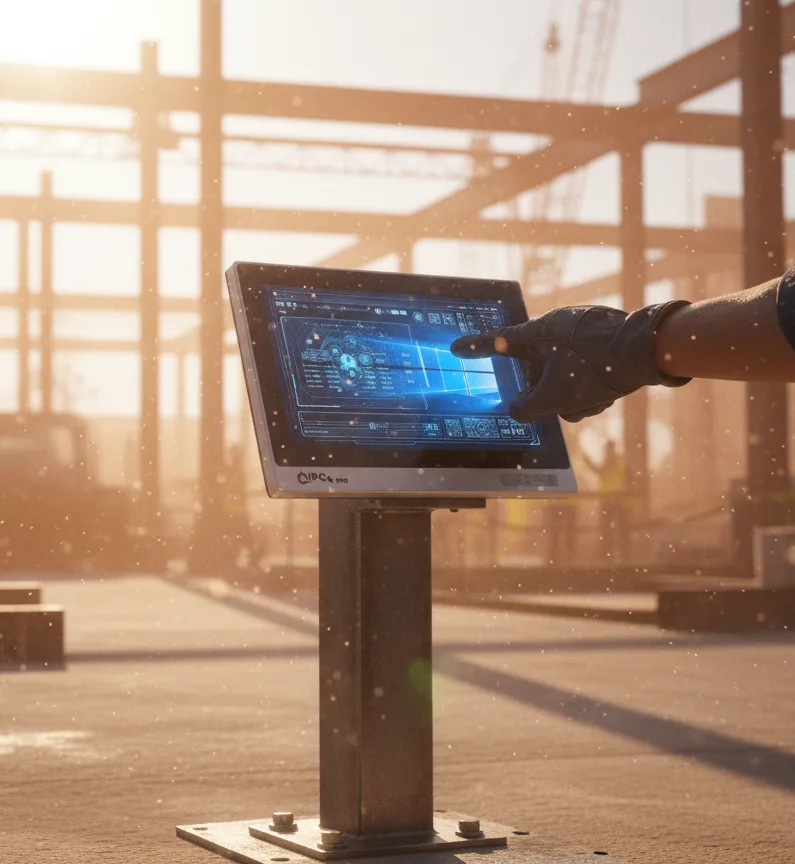
3. Environmental Durability: IP Rating and Thermal Management
The survival of a device in outdoor conditions depends on its sealing and temperature management.
IP Protection Class
Standard devices typically have "Front Panel IP65" protection. This means that only the front surface is resistant to water splashes, while the rear casing (where the ports are located) is vulnerable to dust and water (IP20/IP30). Outdoor devices, however, have "Full Body IP65 / IP66 / IP67" protection. This guarantees that the device is completely sealed against dust, rain, and even pressurized water from all directions.
Operating Temperature
Standard devices operate in the range of 0°C to +50°C. Outdoor solutions must offer a Wide Operating Temperature Range (e.g., -20°C to +70°C). This requires internal heaters to prevent freezing and advanced passive (fanless) cooling designs to manage overheating under the sun (both external heat and the heat generated by the high-brightness screen itself).
4. Physical Structure and User Interaction
Housing and Connectors
Outdoor devices use corrosion-resistant stainless steel or UV-protected aluminum housings. Instead of standard USB/RJ45 ports, vibration-resistant and waterproof M12 locking connectors are preferred.
AF (Anti-Fingerprint) Coating
This matters especially for outdoor touch kiosks. The oleophobic coating keeps dirt, grease and fingerprints from building up on the surface, making cleaning easier.
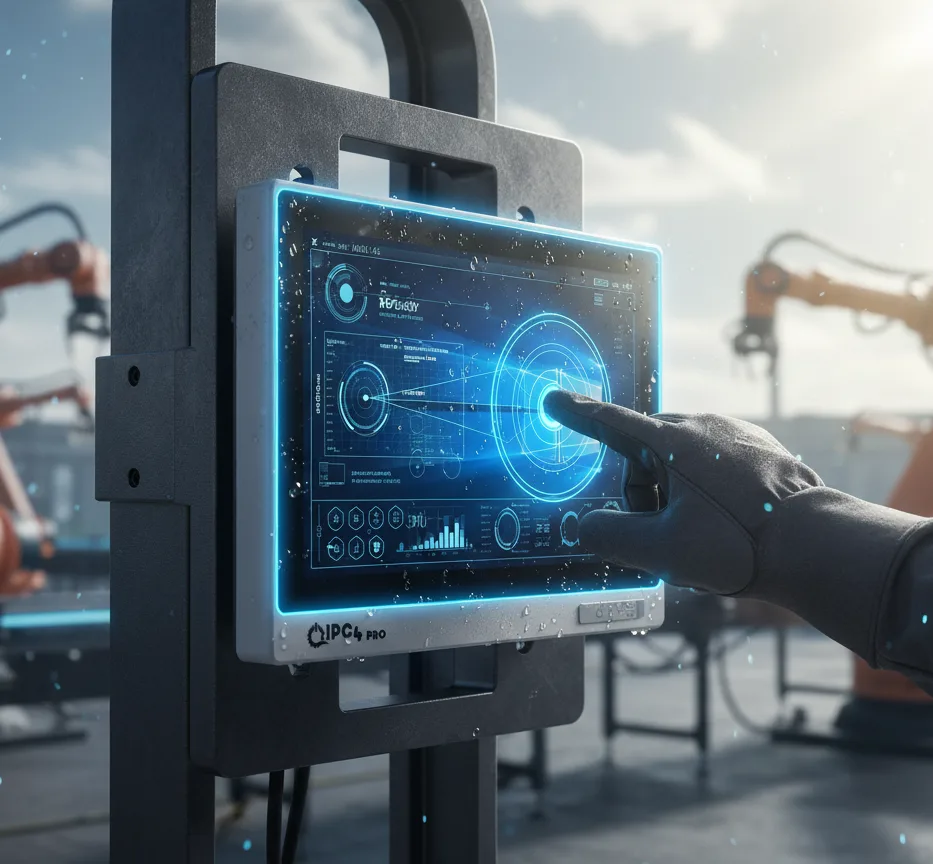
Comparison Table: Standard Industrial vs Outdoor Solutions
| Technical Specification | Standard Industrial (Indoor) | Outdoor Industrial (IPC4PRO WOD / MOD Series) |
|---|---|---|
| Brightness (Nits) | 250 - 450 nits | 1,000 - 2,500+ nits (Sunlight Readable) |
| Screen Bonding | Air Bonding (With Air Gap) | Optical Bonding |
| Core Issue | Internal Reflection, Fogging, Low Contrast | No Reflection, No Fogging, High Contrast |
| IP Protection Class | Typically Front Panel IP65 (Rear Case IP20) | Full Body IP65 / IP66 / IP67 (Completely Sealed) |
| Operating Temperature | 0°C to +50°C | -20°C to +70°C (Wide Range) |
| Thermal Management | Standard Cooling | Advanced Passive Cooling + Internal Heater (Optional) |
| Surface Coating | Standard Glass / Resistive Touch | AG (Anti-Glare) + AF (Anti-Fingerprint) (Optional) |
| Housing & Connectors | Aluminum / Plastic Housing, Standard Ports | Stainless Steel / Aluminum Housing, M12 Locking Connectors |
IPC4PRO Solutions: Assurance in the Field with WOD and MOD Series
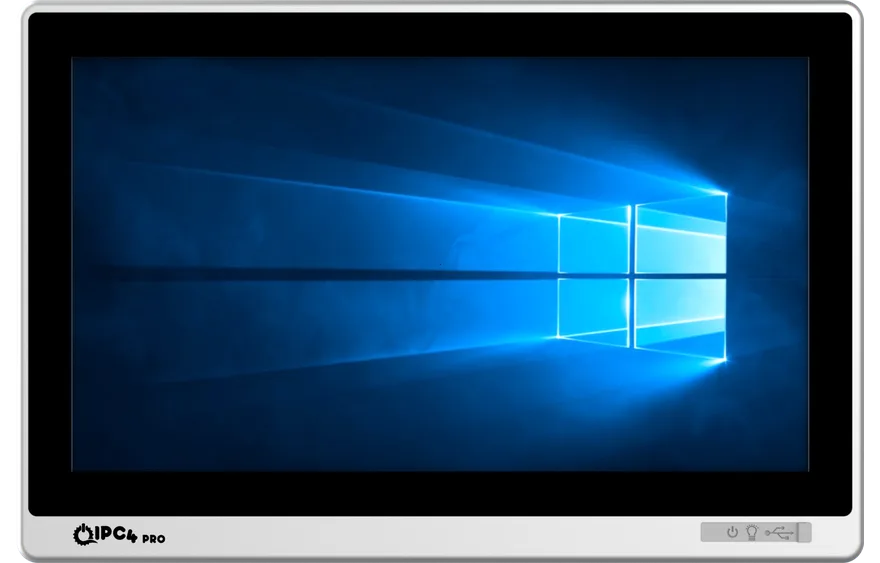
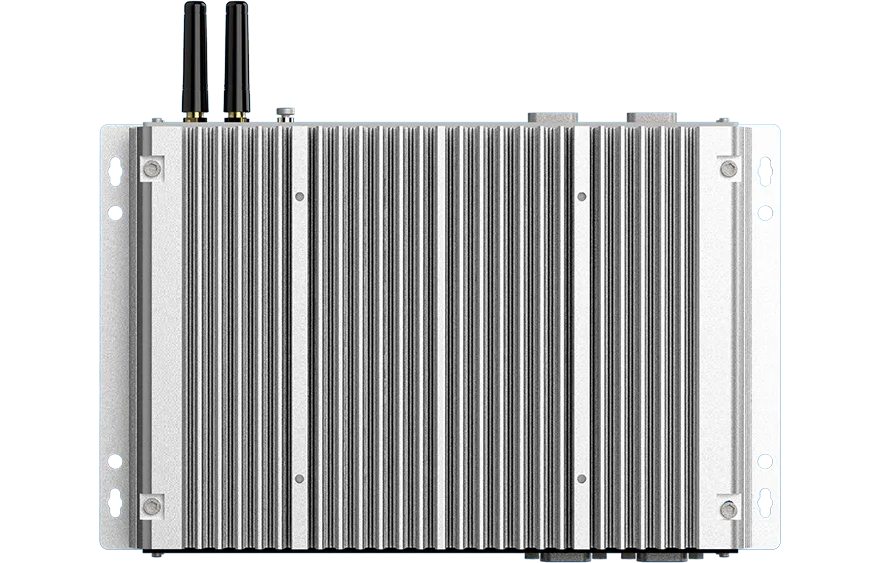
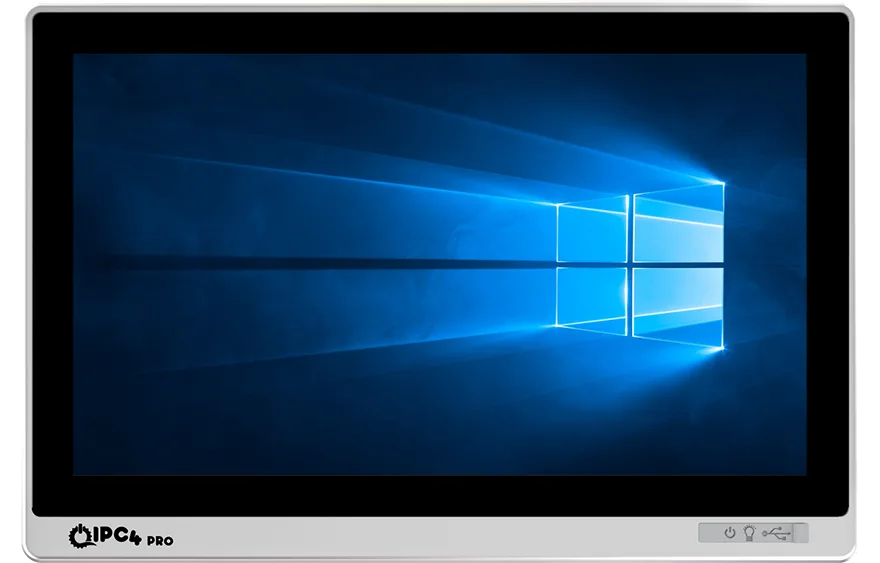
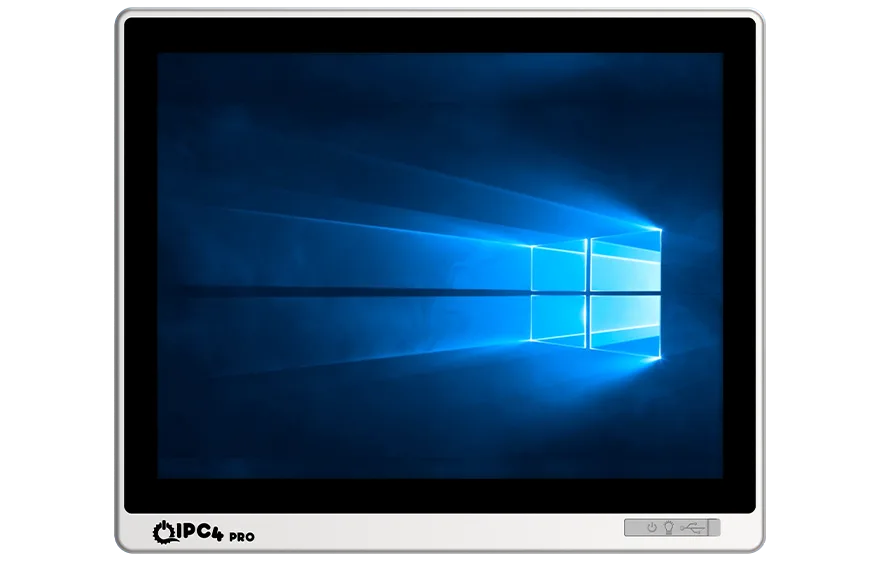
The IPC4PRO WOD (Outdoor Panel PC) and IPC4PRO MOD (Outdoor Monitor) series, designed to meet all the superior engineering requirements mentioned above, deliver uncompromising performance even in the most challenging field conditions.
These devices guarantee the uninterrupted and reliable operation of your projects at every point where standard solutions fall short, with their high brightness, reflection-eliminating Optical Bonding technologies, ability to operate in a wide temperature range, and complete IP67 sealing.
Do you need a solution for your project in challenging field conditions?
Do not take operational risks with standard industrial devices. Explore IPC4PRO's proven outdoor solutions to meet the specific requirements of your project and maximize your performance in the field.
Detailed Information and Technical Specifications
For detailed information and specifications, see our product pages: