







1. Introduction: Breaking the Chains in Automation
For decades, industrial automation has been shaped under the dominance of closed ecosystems. Each manufacturer made users dependent on a specific brand by offering software platforms compatible only with their own hardware. This situation created a bottleneck in terms of lack of flexibility, high costs, and innovation. This model trapped automation projects within the limits of hardware, making rapid adaptation to changing needs difficult.
The arrival of CODESYS put that closed model in question. By moving control logic into software, CODESYS frees automation from its hardware shackles. Engineers gain the freedom to choose hardware according to project requirements: performance rises while cost and risk fall. This guide analyses the CODESYS platform in depth and sets out what it can do alongside modern hardware such as IPC4PRO and Revolution Pi.
2. What Is CODESYS? Far More Than Software — an Ecosystem
CODESYS (Controller Development System) is a hardware-independent automation development platform based on the IEC 61131-3 standard. It is not just a software tool; it is an engineering ecosystem that encompasses all layers of automation, including PLC programming, HMI/visualization, motion control, safety, and IIoT/cloud connectivity.
With this ecosystem, the following can be managed from a single platform:
- PLC programming languages (ST, LD, FBD, SFC, IL, CFC)
- HMI design and visualization
- Fieldbus configuration (EtherCAT, PROFINET, CANopen, Modbus TCP, etc.)
- Motion & CNC control
- Safety and redundancy architectures (SIL2/SIL3)
- Cloud and IIoT integration (OPC UA, MQTT, etc.)
The most striking aspect of CODESYS: it can turn COTS hardware — a standard IPC, a Raspberry Pi or a Revolution Pi — into a fully fledged PLC. This hardware independence fundamentally changes the limits of traditional PLC architecture.
3. A Change of Mindset: CODESYS-Based Systems vs Classic PLC Architectures
The difference between CODESYS and traditional PLCs reflects not only a technical but also a strategic mindset change. While the traditional approach brings brand dependency, fixed hardware configuration, and high costs; the modern approach offers freedom of choice, architectural flexibility, and software-centric control.
| Feature | Classic PLC | CODESYS-Based System |
|---|---|---|
| Dependency / Architecture | Manufacturer-specific, closed hardware | Hardware-independent, open platform |
| IDE | Licensed and manufacturer-specific | Standard IDE, scalable on hardware |
| Flexibility & Scalability | Low | High |
| IT/OT Integration | Limited | Strong – native support for OPC UA, MQTT, etc. |
| Cost Structure | High initial and maintenance costs | Low hardware costs, software licensing |
| Update & Maintenance | Hardware/firmware focused | Software-based; remote updates possible |
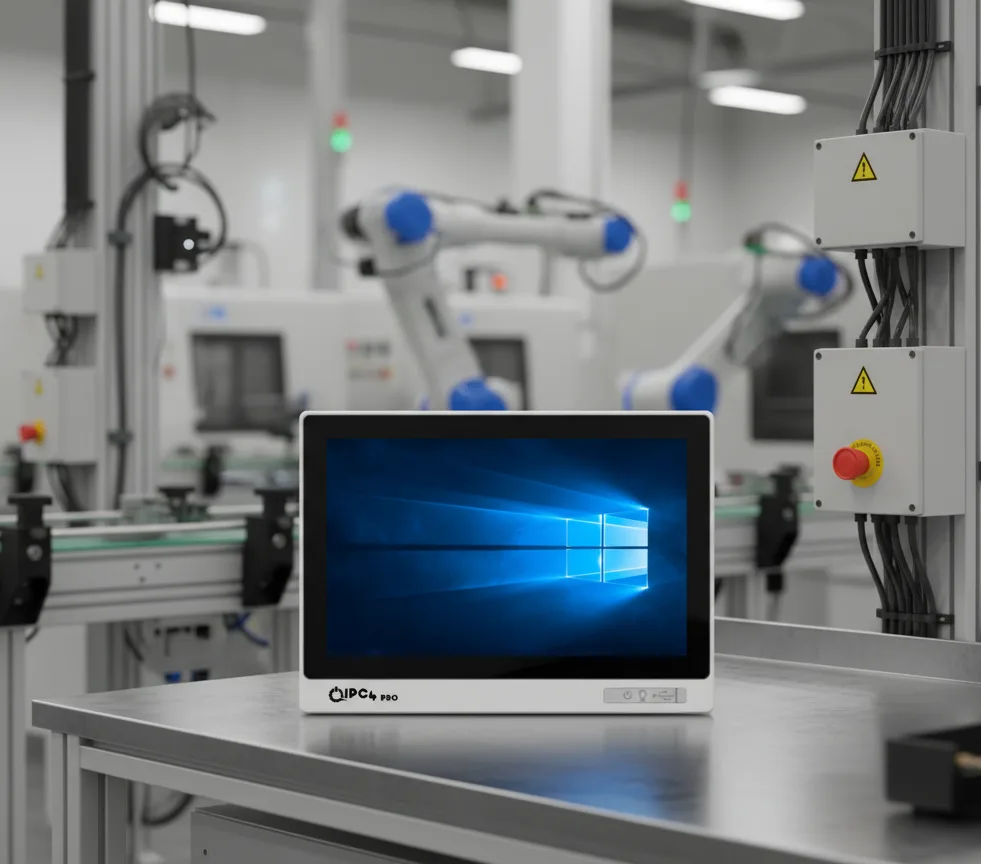
This gives both project managers and system integrators the flexibility to pick the best hardware and software combination — which translates directly into lower cost, higher efficiency and systems ready for the future.
4. The Heart of the Solution: SoftPLC Approach
The concept of SoftPLC is the cornerstone of modern automation. The deterministic control tasks of traditional PLCs are taken over by software running on an industrial computer (IPC) or embedded system. Hardware is now just a platform; control logic is shaped by software.
Strategic advantages offered by SoftPLC:
- Significantly reduces hardware costs.
- Achieves high performance through multi-core processors.
- PLC + HMI + Database + SCADA tasks can be combined in a single device.
- Remote backup, cloning, and updating become easier.
- Establishes a natural bridge between IT and OT protocols.
Areas of use:
- Edge PLC tasks
- Machine prototyping and testing systems
- Energy monitoring and data collection controllers
- AGV, robotics, and motion control systems
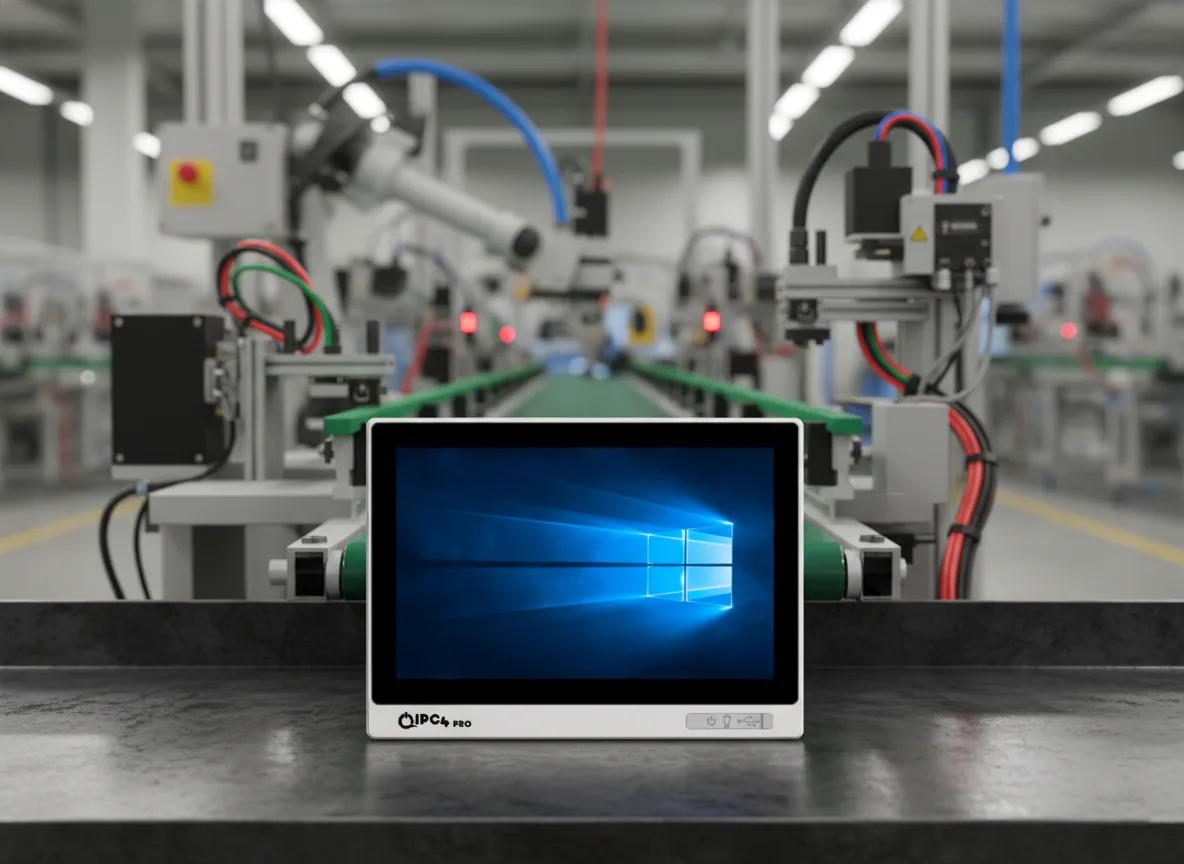
5. High-Performance Solutions: Synergy of IPC4PRO with CODESYS
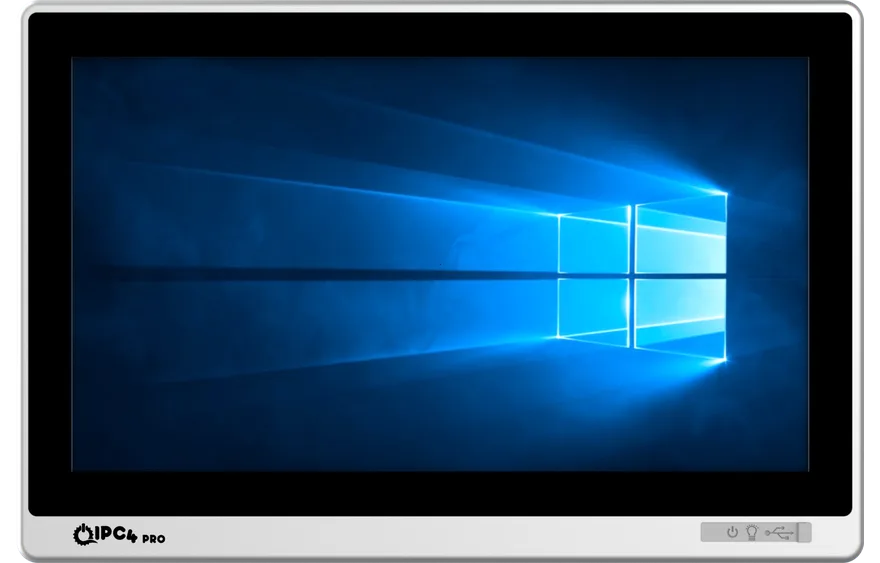
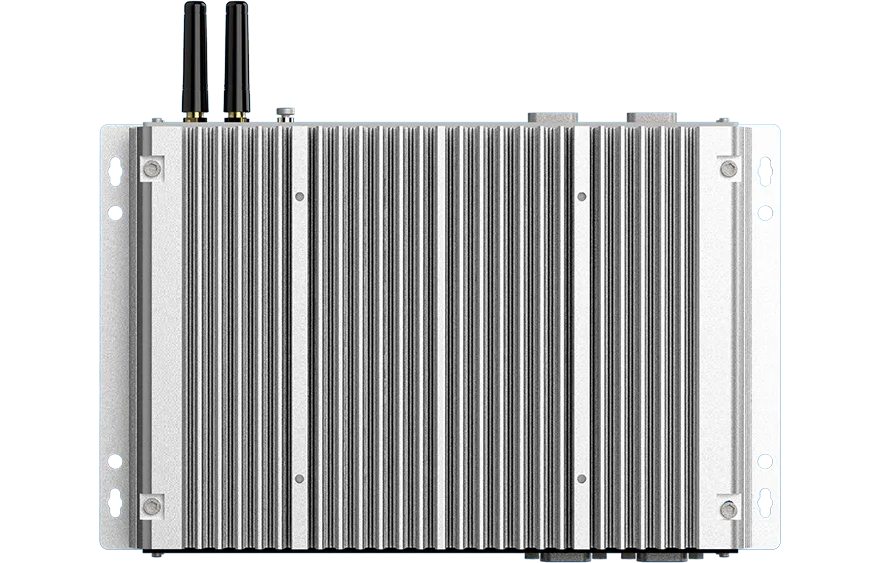
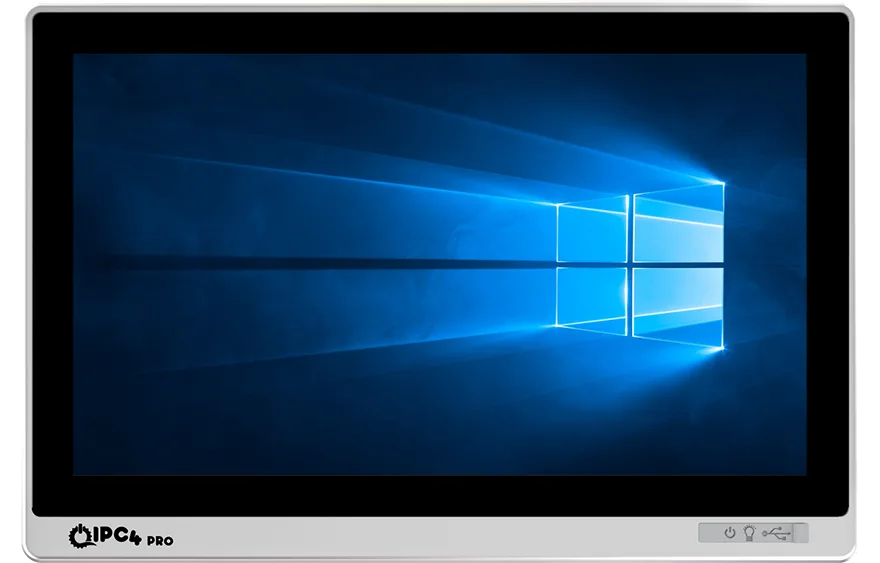
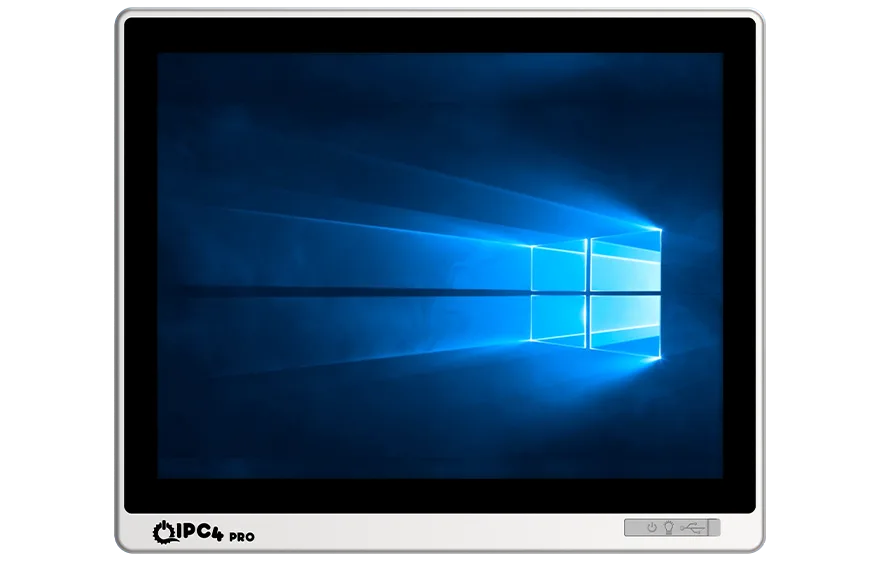
Modern production lines carry expectations beyond basic control; they require high processing power, rich visualization, multi-network communication, and precise motion control. This is where IPC4PRO comes into play.
Diversity of roles achieved with IPC4PRO + CODESYS:
- Real-time PLC control
- Integrated HMI server
- Edge & IIoT gateway (OPC UA, MQTT)
- Precise motion and CNC controller
With high-speed fieldbus protocols such as EtherCAT, functions like multi-axis servo control, interpolation and G-code run successfully on IPC4PRO.
6. Modular, IIoT-Focused Solutions: The Flexibility of Revolution Pi
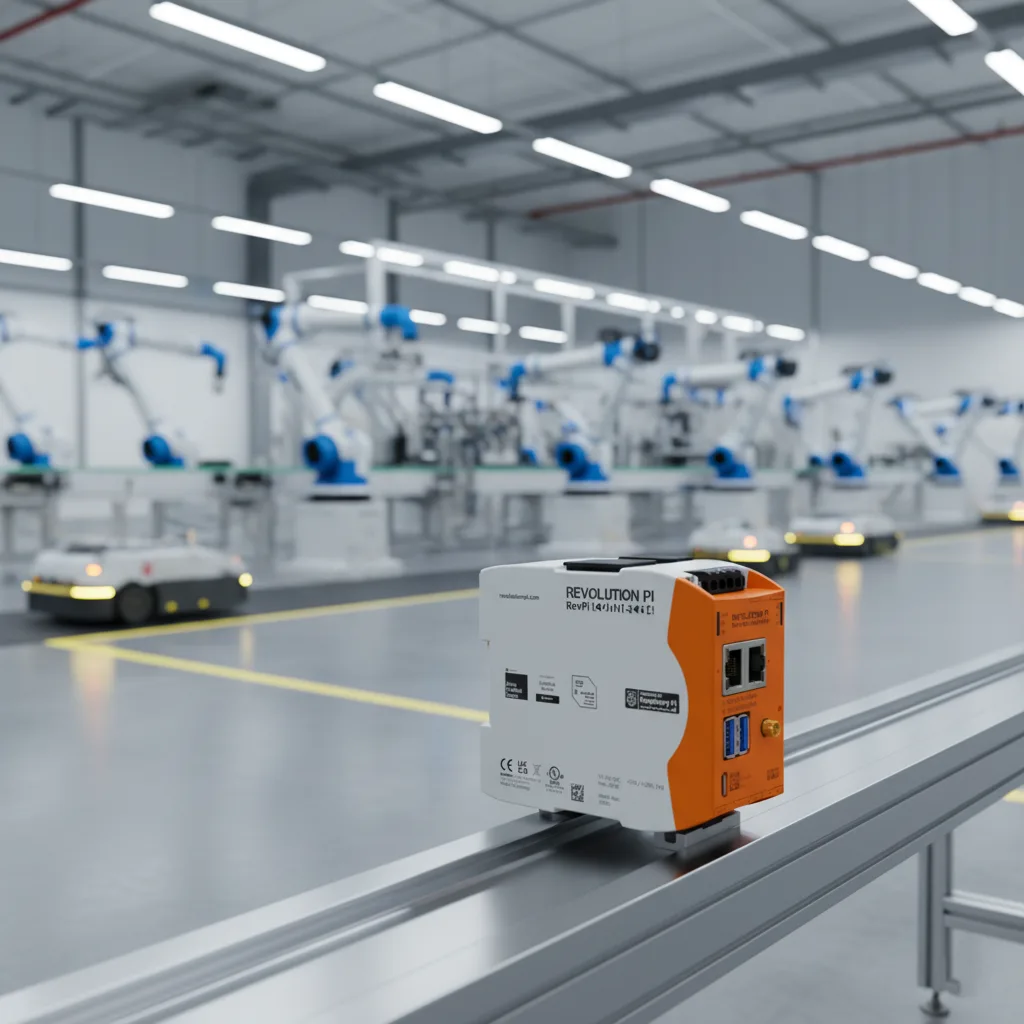
Not every task requires a "high-performance IPC." Sometimes, low power consumption, cost-effectiveness, and distributed control in the field are necessary. In this context, modular controller platforms come into play.
With the combination of modular controller hardware + CODESYS Control for Linux:
- High flexibility through open-source Linux operating system
- Expansion possibilities with modular I/O systems
- Low initial cost and energy consumption
- Structure suitable for industrial environmental conditions
Areas of use:
- Building automation
- Energy monitoring and analysis
- Edge/IIoT gateways
- Remote field control
- Cost-focused machine automation
7. Hibrit Mimaride Sinerji: IPC4PRO ve Revolution Pi Birlikte
In modern automation systems, rather than sticking to a single controller, the hybrid operation of platforms with different capabilities creates the optimal architecture. IPC4PRO and distributed controller platforms offer a competitive and flexible solution with this approach.
- IPC4PRO as the central brain: tasks requiring high processing power such as motion control, data collection, main HMI/SCADA.
- Distributed controllers in the field: tasks such as data collection gateway, subsystem control, protocol conversion.
This brings a considerable advantage in scalability, cost optimisation and architectural flexibility.
8. The Strength of the Platform: Universal Communication and Central Management
The power of CODESYS lies not only in its control capabilities but also in its ability to bridge different brands and software/hardware layers.
Supported protocols include EtherCAT, PROFINET, Modbus TCP, OPC UA and MQTT, so devices from mixed brands can be brought together in one central CODESYS solution.
CODESYS Automation Server every controller in the field can be managed, updated and version-controlled remotely.
9. Bring Your Project to Life: Turnkey Solutions with ICC Dijital
ICC Digital Industrial Technologies Ltd. is an expert solution partner in Turkey for CODESYS-based automation systems. It manages hardware supply, licensing, engineering consultancy, and commissioning processes under one roof.
| Application Type | Recommended Platform | License Configuration | Typical Use Case |
|---|---|---|---|
| Process Automation | IPC4PRO Control Win | CODESYS Control Standard + OPC UA | Process lines, production tracking |
| Precision Motion Control | IPC4PRO i7 | CODESYS Motion + CNC | Robotics, packaging, axis control |
| Data Collection/SCADA | IPC4PRO | CODESYS Control SL + Visualization | Energy monitoring, production reporting |
| Edge Gateway/IIoT Bridge | Revolution Pi | CODESYS Control for Linux | MQTT data transfer, IoT gateway |
| Building Automation | Compact edge controller | CODESYS + BACnet | HVAC, lighting, access control |
10. Conclusion: Step into a Software-Defined Future
CODESYS has become a pioneer in the transition to software-defined control paradigms by ending hardware dependency in the world of automation. While IPC4PRO represents high performance, modular controller platforms contribute to this transformation with their flexible and cost-effective approach. Together, these solutions offer a future-ready architecture in the world of automation.
The future automation projects will rise not with hardware tied to fixed brands, but through software platforms focused on freedom of choice, scalability, flexibility, and integration.
In this journey, progressing with the right partner is crucial. If your project answers this call, you can transition to a software-based automation architecture with ICC Digital and the CODESYS ecosystem.